
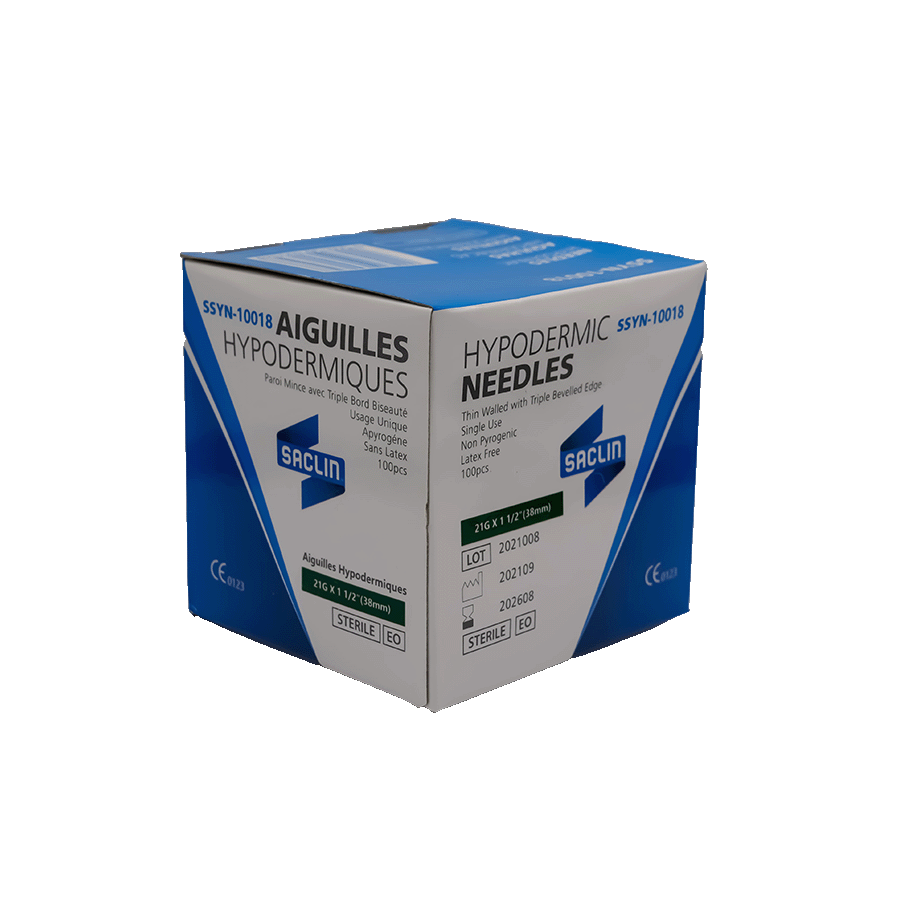

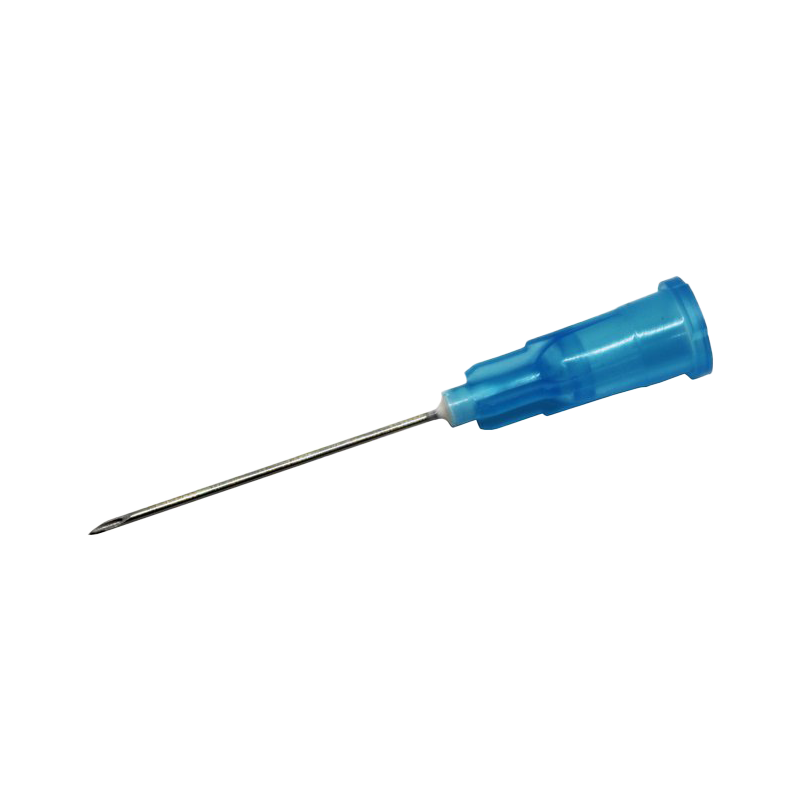
A drawing needle, also known as a hypodermic needle or simply a needle, is a hollow metal tube with a sharp, pointed tip designed for penetrating the skin and accessing veins or other tissues for the purpose of withdrawing fluids, such as blood or medication. Drawing needles are commonly used in medical settings for procedures such as blood draws, intravenous (IV) injections, vaccinations, and various diagnostic tests. The design of a drawing needle typically consists of a stainless steel or other metal shaft with a beveled, sharp tip that facilitates smooth insertion into the skin or a vein. The opposite end of the needle is attached to a syringe, which allows for the extraction of fluids or the administration of medications. Drawing needles come in various sizes, lengths, and gauges (diameters), with the appropriate size selected based on the specific procedure and the patient’s characteristics, such as age, weight, and the accessibility of veins. Thinner needles, indicated by higher gauge numbers, are often used for procedures requiring minimal trauma or discomfort, such as vaccinations or insulin injections, while larger needles may be used for procedures requiring the collection of larger volumes of blood or fluids. Before use, drawing needles are typically sterilized to minimize the risk of infection. After use, they are disposed of in a sharps container to prevent accidental needlestick injuries and to comply with safety regulations and infection control protocols. Drawing needles are an essential component of medical practice, allowing those who use them to safely and efficiently perform a wide range of diagnostic and therapeutic procedures. They are used in conjunction with other medical supplies and equipment to provide patient care in various healthcare settings, including hospitals, clinics, laboratories, and emergency medical services.
Related products
Sale!
$ 1.10
Sale!
Sale!
$ 25.64
Sale!
Sale!

$ 25.64
Sale!

$ 25.64